
-
×
 Futures Flow – Footprint Day Trading Blueprint Course
1 × $ 25.00
-
×
 Mike Steffens – The Rank Accelerate Blueprint
1 × $ 30.00
-
×
 Stefan Georgi – The Expert AI Ad Bundle
1 × $ 50.00
-
×
 Albert Fernandez – A to Z Passive Income
1 × $ 35.00
-
×
 Matt Diamante – Course Bundle
1 × $ 25.00
-
×
 Laura Evans – The Brand and Packaging Design Course
1 × $ 65.00
-
×
 Simon Dixon – Retirement Plan
1 × $ 35.00
-
×
 Tommie Powers - Rapid Multiplier
1 × $ 25.00
-
×
 Charm Offensive – Charming AI Pack
1 × $ 35.00
-
×
 Colin & Samir – Brand Deal Blueprint
1 × $ 30.00
-
×
 Ezra Firestone – Smart Business Systems
1 × $ 45.00
-
×
 Marzia Prince – UGC Fasttrack
1 × $ 35.00
-
×
 TK Kader – Unstoppable SaaS GTM Program
1 × $ 40.00
-
×
 Simpler Trading - Bulletproof Butterflies 2.0 Elite by Bruce Marshall
1 × $ 30.00
-
×
 Steve Cunningham – AI Academy + Fast Track
1 × $ 60.00


Description
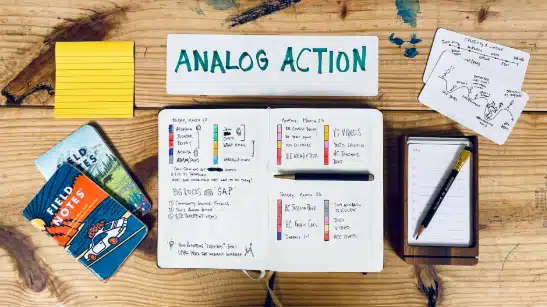
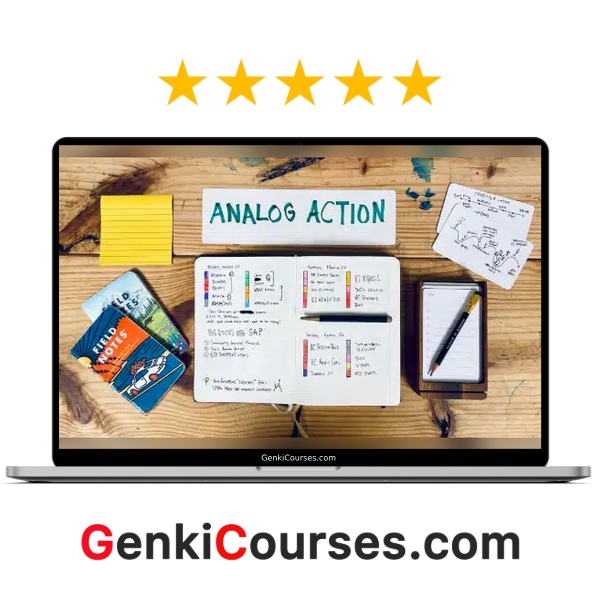
Analog Action is Matt Ragland’s course on using physical planning tools to manage attention, organize projects and establish productive routines. Its four-part model moves from the effects of digital distraction to building, using and refining a personalized analog system.
The downloadable course includes videos and PDFs and explores tools such as notebooks, planners, journals and handwritten notes.
Skills you’ll build with Analog Action
- 1. Understanding the principles of analog techniques.
- 2. The importance of blending analog and digital methods.
- 3. Enhancing creativity through traditional approaches.
- 4. Developing skills in hands-on production.
- 5. Learning how to innovate with existing tools.
- 6. Building an effective workflow for creative projects.
What is Analog Action about?
Analog Action presents a phased approach to organizing thoughts and responsibilities in a world of notifications and screens. Each module builds on the previous one, beginning with the principles behind analog productivity and moving toward a routine that can be reviewed and adjusted.
The four modules cover the foundations of analog productivity, choosing tools and setting up a workspace, planning and executing tasks, and reviewing progress. The model is designed to be personalized for different working styles and daily demands.
Analog productivity in a digital age
The course considers how notifications and screen time can interrupt attention, then introduces planning and reflection with tangible tools as an alternative. Its examples include writing daily task lists and long-term goals by hand to give thoughts a physical place.
Ragland discusses the relationship between handwriting, memory and creativity alongside a more deliberate approach to daily responsibilities. Exercises in planning and reflection put those ideas into practice through time-blocking, breaking tasks into smaller pieces and tracking progress.
The four-module Analog Action model
The course model starts with the reasons for using analog methods, then guides learners through assembling a system, putting plans into action and revising their approach over time.
Module 1: Foundations of Analog Productivity
The first module examines the effects of digital distractions on attention, cognitive function and creativity. It introduces note-taking, journaling and planning as ways to organize thoughts using physical materials.
The lessons also explore behavioral science and the psychological aspects of analog practices, including their relationship to focus, stress and creative thinking. These foundations prepare learners to build a system of their own.
Module 2: Creating Your Analog System
Module 2 turns to the practical choices involved in building an analog workflow. It covers selecting a notebook, planner or other physical aids and arranging a workspace with fewer distractions.
Rather than prescribing a single setup, the course encourages experimentation with tools that fit individual habits and needs. It also addresses incorporating those tools into daily routines for prioritizing tasks and managing time.
Module 3: Planning & Executing
The third module focuses on moving from ideas to action. Learners break larger projects into manageable steps, prioritize their work and use time-blocking to schedule tasks.
The planning process also includes setting realistic goals and timelines, organizing the day and developing an approach that can change as needs evolve.
Module 4: Reflection & Adjustment
The final module introduces regular reviews for monitoring progress, recognizing successes and identifying areas to improve. Reflection provides a basis for changing strategies and refining the analog system.
By revisiting goals and challenges over time, learners can adjust their routines rather than treating their initial setup as fixed. The course connects this process with accountability and continued personal and professional development.
Working through digital distractions
Social media alerts, email notifications and other interruptions are examples of the digital noise addressed in Analog Action. The course uses its step-by-step model to explore how physical planning and reflection can create space for attention and creativity.
The opening module considers excessive screen time and engagement with physical materials, while the later modules turn those ideas into planning and review practices.
Frequently asked questions
What does Matt Ragland’s Analog Action course cover?
The course covers analog productivity foundations, creating a personal system, planning and execution, and reflection. It also examines digital distractions and the role of physical tools in organizing thoughts and tasks.
Who is Analog Action suited to?
The course is intended for people looking to organize their work and routines with analog tools, including professionals, students and creative individuals.
What materials are included in Analog Action?
The downloadable course includes videos and PDFs. The lessons discuss physical tools such as notebooks and planners.
Does the course teach a fixed planning system?
No. The course encourages experimentation with tools and routines so learners can adapt their analog system to their own needs and habits.
Reviews (0)
Be the first to review “Matt Ragland – Analog Action”
Related products
Sale!

Artificial Intelligence
Original price was: $ 397.00.$ 65.00Current price is: $ 65.00.
Sale!

Artificial Intelligence
Original price was: $ 370.00.$ 20.00Current price is: $ 20.00.
Sale!

Artificial Intelligence
Geoff Cudd – AI Writing Course for Bloggers & Digital Marketers
Original price was: $ 150.00.$ 20.00Current price is: $ 20.00.
Sale!
Artificial Intelligence
Original price was: $ 297.00.$ 60.00Current price is: $ 60.00.
Sale!

Artificial Intelligence
Original price was: $ 397.00.$ 35.00Current price is: $ 35.00.
Sale!
Artificial Intelligence
Original price was: $ 194.00.$ 20.00Current price is: $ 20.00.
Sale!

Artificial Intelligence
Original price was: $ 297.00.$ 50.00Current price is: $ 50.00.
Sale!

Artificial Intelligence
Jon Benson – ChatVSL Workshop (Create and even sell high-converting VSL’s using only ChatGPT)
Original price was: $ 369.00.$ 30.00Current price is: $ 30.00.

Reviews
There are no reviews yet.