
-
×
 Diamant Capital 2024 – The Elite Strategy Course
1 × $ 20.00
-
×
 Category Pirates – Creator Capitalist
1 × $ 30.00
-
×
 James Smith – Mentorship 2.0
1 × $ 40.00
-
×
 Trading Hub 3.0 Full Course
1 × $ 25.00
-
×
 Sarah Robb – Brand Strategy Academy
1 × $ 30.00
-
×
 Chris Rempel – Big Ticket Profits
1 × $ 35.00
-
×
 The Ecom Wolf Pack – Dropshipping To Branding Course
1 × $ 25.00
-
×
 Hayley Fedders – Square Sprints Bundle
1 × $ 35.00
-
×
 Humberto Malaspina – Day Trading and Swing Trading Futures with Price Action
1 × $ 25.00
-
×
 Chase Dimond – Ecommerce Email Marketing Course
1 × $ 55.00
-
×
 Build Your Digital Brand & Earn Online – Digital Success School
1 × $ 45.00
-
×
 Suzy Crawford – Freelancer To CEO
1 × $ 40.00
-
×
 Nancy Ayala – Create Faceless Wealth
1 × $ 30.00
-
×
 Andre Chaperon – Collection
1 × $ 30.00
-
×
 Kate Kirby – The Editor Academy
1 × $ 35.00
-
×
 Harlan Kilstein – SuperSite Formula
1 × $ 25.00
-
×
 Alex Kaplo – Publishing CEOs Coaching Program for Authors
1 × $ 35.00
-
×
 Dapp University – Blockchain Mastery University
1 × $ 35.00
-
×
 Simpler Trading – Stop Missing Hidden Trades Elite
1 × $ 35.00
-
×
 Sean Dollwet – Royalty Hero
1 × $ 65.00
-
×
 Simon Dixon – Retirement Plan
1 × $ 35.00
-
×
 Benjamin Fairbourne – The Money Accelerator
1 × $ 25.00
-
×
 Lea Gucciardi - Shopify Code(x) Course
1 × $ 30.00
-
×
 Meet Kevin - Real Estate Investing From $0 to Millionaire & Beyond
1 × $ 30.00
-
×
 Build Grow Scale – User Testing Mastery
1 × $ 25.00
-
×
 Geoff Cudd – AI Writing Course for Bloggers & Digital Marketers
1 × $ 20.00
-
×
 Kendall & Josh - ECOM-PHD
1 × $ 30.00
-
×
 Dan Koe – The 2 Hour Writer
1 × $ 25.00
-
×
 Frank Kern – Branding Class
1 × $ 65.00
-
×
 Brad Frost – Subatomic The Complete Guide To Design Tokens
1 × $ 40.00
-
×
 ContentCreator – Reels, Tik tok, & Shorts Course
1 × $ 25.00



Description
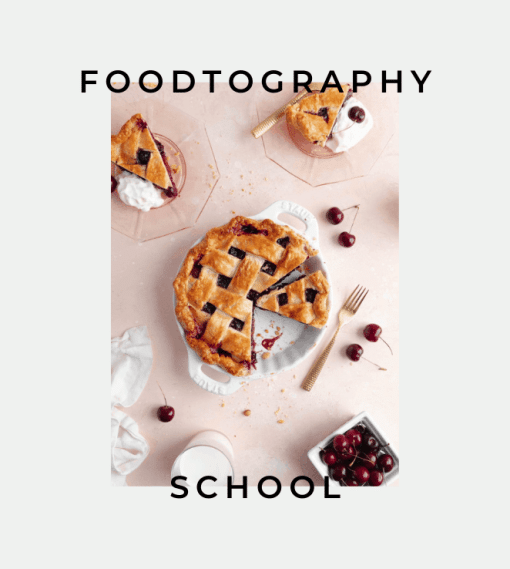
Foodtography School by Sarah Crawford is a food photography course for people who want to create more engaging images of dishes. It moves from foundational photography techniques to styling and editing, with material for beginners as well as experienced photographers.
Crawford is a food photographer and blogger. Her course looks at the practical choices behind culinary images, including how light, equipment, composition and presentation contribute to a photograph.
Food photography skills you’ll build
- Master natural light techniques for stunning food imagery.
- Utilize artificial lighting to achieve desired effects.
- Discover optimal angles for photographing food.
- Uncover secrets to styling food for maximum visual appeal.
- Learn to layer textures and colors for depth.
- Get tips for photographing challenging textures.
What is Foodtography School?
Sarah Crawford’s course explores food photography from the basics through more advanced styling and editing. It considers how photographers create images that draw attention to a dish and communicate something about it visually.
The lessons bring together the technical and creative sides of a shoot. Alongside lighting and camera equipment, they address the arrangement of food, the choice of backgrounds and props, and the composition of the final image.
Who can benefit from the course?
Food bloggers can apply the lessons to photographs for their blogs and social media. Aspiring food photographers can use the curriculum to develop a foundation in photography techniques and explore professional applications.
Chefs and restaurant owners can use food photography to present their culinary creations, while home cooks can learn ways to photograph and share the meals they make. The course addresses both personal creative interests and the development of photography as a professional skill.
What the Foodtography School course covers
The curriculum brings together lighting, food styling and equipment choices. These subjects are treated as connected parts of food photography: the light affects the appearance of the dish, while the arrangement, angle and tools shape how it is photographed.
Lighting and camera angles
The course examines natural and artificial light and how each can be used to produce different effects. It also considers camera angles under different lighting conditions, helping students think about the relationship between the direction of the camera and the light on the food.
Lighting is discussed in terms of its effect on the colors and textures visible in a dish. The lessons look at manipulating it to support the appearance and atmosphere of an image.
Food styling techniques
Styling lessons address the presentation and arrangement of food within a photograph. They also explore the use of props, backgrounds and garnishes to build a scene around the main dish.
The course considers the challenges of photographing different surfaces and textures, including liquids and shiny foods. These examples give the styling material a practical focus beyond arranging food on a plate.
Photography equipment
Explore recommendations for cameras and lenses suited to food photography, as well as ways to use tripods, reflectors and other accessories. The equipment section explains the role these tools can play in making food images.
The course also includes smartphone photography tips. This gives students a way to approach the subject without relying on high-end camera equipment.
How the course teaches lighting
The natural-light material discusses identifying useful times of day for a shoot and making use of the available light. For artificial lighting, the course looks at setting up and adjusting lights to work toward consistent results.
Shadow and highlight control is another part of the lighting instruction. By considering both brighter and darker areas of an image, students can explore how light adds dimension and contributes to the mood and story of a photograph.
Composition, color and props for food styling
Food styling also involves deciding how the elements of an image relate to one another. Crawford covers composition principles including the rule of thirds and leading lines as ways to organize a photograph.
The color theory material looks at combinations that draw attention to the main subject and evoke emotion. Prop and background selection are also addressed, with an emphasis on choosing elements that complement a dish rather than overpower it.
Practice and professional growth
Hands-on assignments and projects provide opportunities to apply the techniques covered in the course. Students can work with the concepts across lighting, styling and photography rather than treating each topic in isolation.
The curriculum also addresses professional development, including strategies for building a portfolio and monetizing photography skills. Downloadable course materials include videos and PDFs.
Frequently asked questions
What does Foodtography School cover?
The course covers food photography fundamentals, lighting, styling, composition, equipment and editing. It also includes hands-on assignments and projects, plus strategies for portfolio building and monetizing photography skills.
Who is Foodtography School suited to?
The course is intended for beginners and experienced photographers, including food bloggers, aspiring food photographers, chefs, restaurant owners and home cooks.
Do I need an expensive camera for the course?
The equipment material includes camera and lens guidance as well as smartphone photography tips. It also discusses accessories such as tripods and reflectors.
What materials are included in Foodtography School?
The downloadable course materials include videos and PDFs. The curriculum also mentions hands-on assignments and projects.
Reviews (0)
Be the first to review “Foodtography School – Sarah Crawford”
Related products
Sale!

Content Creation
Original price was: $ 800.00.$ 30.00Current price is: $ 30.00.
Sale!

Business Growth
Original price was: $ 597.00.$ 50.00Current price is: $ 50.00.
Sale!

Content Creation
Original price was: $ 699.00.$ 35.00Current price is: $ 35.00.
Sale!

Content Creation
Original price was: $ 997.00.$ 35.00Current price is: $ 35.00.
Sale!

Content Creation
Original price was: $ 399.00.$ 40.00Current price is: $ 40.00.
Sale!

Content Creation
Original price was: $ 1.495.00.$ 35.00Current price is: $ 35.00.
Sale!

Content Creation
Original price was: $ 1.200.00.$ 35.00Current price is: $ 35.00.
Sale!

Content Creation
Original price was: $ 700.00.$ 30.00Current price is: $ 30.00.

Reviews
There are no reviews yet.